
BPC-157: A Practical Overview of the Current Research Landscape
What the literature says — and doesn't say — about BPC-157 in cellular repair and gastrointestinal models.
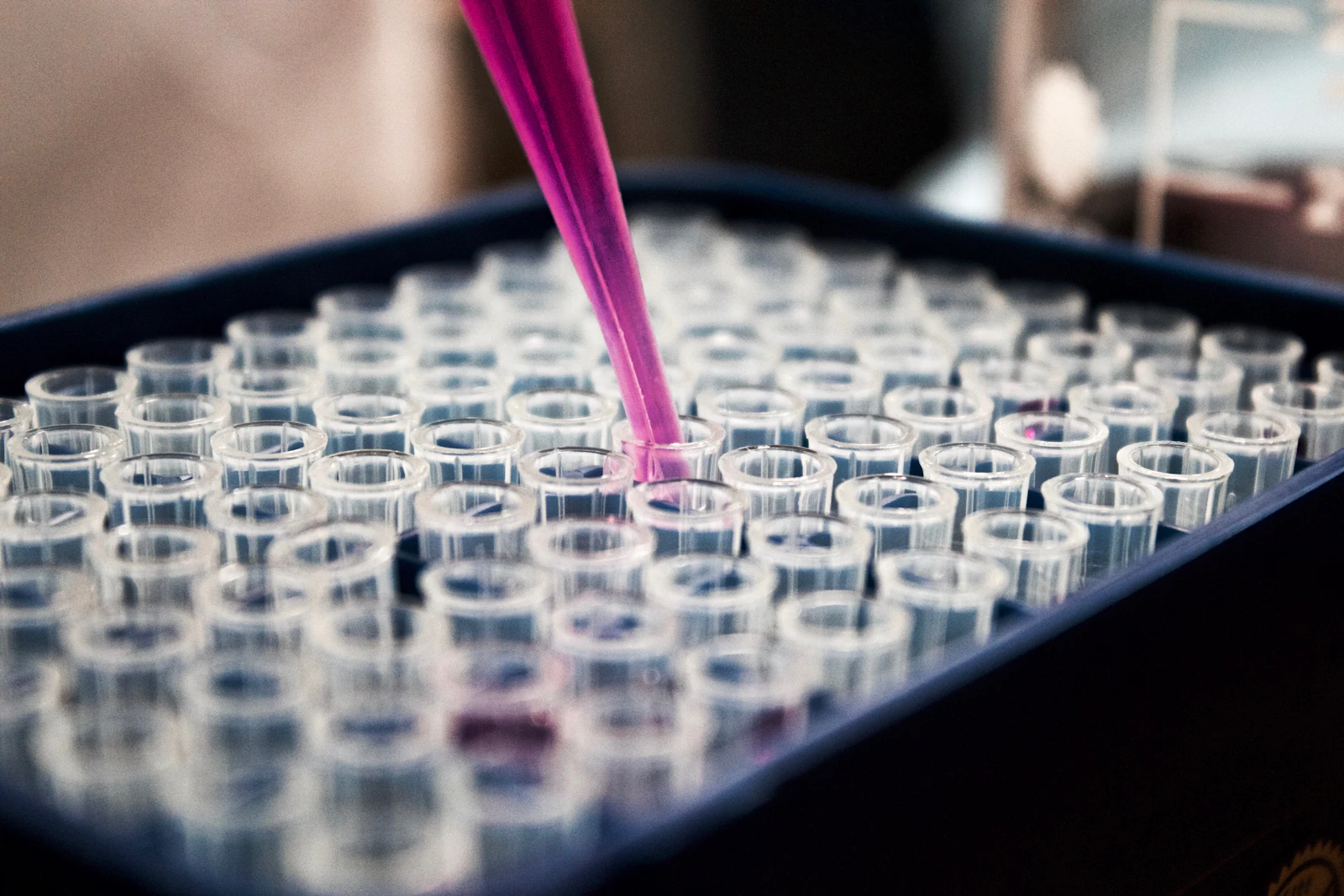
BPC-157 has become one of the most-cited research peptides of the past decade. This overview summarizes what in-vitro and animal studies have explored, where evidence is strongest, and the open questions that remain.
Background and origin
BPC-157 is a synthetic 15-amino-acid sequence derived from a protective protein isolated in human gastric juice. Researchers have used it as a model compound for cytoprotection studies.
Primary study areas
- Tendon and ligament fibroblast migration
- Gastric and intestinal mucosal repair models
- Angiogenic signalling pathways
- Nitric oxide / dopamine system interactions
Handling notes
Most published protocols reconstitute lyophilized BPC-157 in bacteriostatic water and store aliquots at −20°C. Always follow your institution's protocol and verify the COA for each lot.
"The single most useful thing a supplier can publish is a per-lot certificate of analysis."
Open questions
Despite a growing in-vitro literature, mechanism-of-action remains incompletely characterized and human clinical data is limited. Continued research is needed.
For research use only
Content in the Thrive Peptides journal summarizes published research and is intended for qualified investigators. It is not medical advice and does not describe products for human consumption.
Continue reading

Peptide Handling 101: Reconstitution, Storage, and Stability
A practical primer for research labs receiving lyophilized peptides for the first time.

Copper Peptides and Fibroblast Research: What GHK-Cu Studies Show
The tripeptide that won't stay out of the cosmetic-science literature.

GLP-1 Receptor Agonists: A Research Primer
Semaglutide, tirzepatide, retatrutide — how the latest generation of incretin peptides differ.